Back to blogging

Writing

For three months I stopped blogging. To be honest it was a shorter break than had in mind when I stopped. But then I was picked to go to Cambodia with Tearfund, and a blogger who doesn’t blog is a bit of a conundrum. So I’m back and I’m not sure what I’m going to write about.

What I liked best about the break was not feeling the pull to write and respond to whatever the controversy of the day may be. I let provocative statements pass me by, I ignored the posts piling up as everyone who was anyone had their say and cast a verdict that something was good or bad, but rarely nuanced and complex.

I cheated a bit, I wrote plenty during these months, it was less of a writing break and more of a publishing break, and even then I posted a couple of pieces in other places.

And I return without words to fill the pages. I find sadness in my heart where there should be joy. I have stress when I would choose peace. I have tiredness plaguing me while I’m awake, and rest is a weary struggle.

Words that offer too much are empty. Posts that promise perfection or a life gilded with abundance fail to lift me. They stoke the pearls of cynicism grafted together as salt mixes in the wound.

I wrote a lot about relationships, and the readers liked it. The posts got noticed, especially when I addressed the thorny question of why guys don’t ask girls out. But I’m single and the constant flow of communications about relationships when I wasn’t in one cut deeper than I realised. It became a way of inoculating myself against the pain, it became a deflection, a device. It became a meta thing, the way we sometimes do, of distancing ourselves, and distracting from doing something about an issue by talking about it. I talked about relationships and friendships over social media and the hole I felt they left.

And then I went to Northern Ireland last weekend with nothing planned, but filled by connections on social media, I saw friends old and new, I visited places I wouldn’t have considered, and did things I really shouldn’t have. I went for some time on my own, that and having to be there for work on Monday, but when faced with the offer of dinner, entertainment and company I couldn’t turn it down.

I need people more than I know. I play into my introversion, the times I like alone, the space I give to think and process and work out what is going on. But I’d ditch it all for time spent with people who I care for and who care for me.

It was suggested to me that I stopped blogging because I was in a relationship and therefore thought it inappropriate to chronicle it. Were the former true the later would probably also apply, but alas, it is not, nor was, the case.

Yesterday was designated as ‘singles day’ in a certain segment of the American Christian blogosphere. A mum’s blog hosted a link up where singles, or their friends, siblings, even parents, posted pieces describing, with pictures, how wonderful they are and why you should get in touch. It’s sort of a pop-up internet dating site. A friend has written a post for me but it’s not online yet, I’ve got cold feet, I may post it on here. We’ll see.

It’s about vulnerability. That point when you look at your skin and feel it’s about to crack, when you consider your hopes and they are more fragile than a Fabergé egg. I don’t want to post it because I don’t want to know what people think.

And I think perhaps I am as scared of acceptance as rejection. Rejection I am used to, if no one responds then it leaves me with nothing to do, but console myself and hope for something better in the future. A mystical future that is detached from reality.

But if someone emails me, if someone says, ‘hey, I’m interested’, then I have to do something. I can no longer pontificate from my perch of opinionated singleness. I can no longer stay above the fray. Or pretend I am above the fray. If someone gets in touch, am I ready to respond? Am I going to respond? I don’t know.

Maybe I am scared. Maybe I am too used to being single. Maybe I am too picking. Maybe I don’t want to be in a relationship, even though at least ostensibly I would say that I do.

I’m back on the blogging wagon. We’ll see where it goes. I’m excited for March and sharing stories from Cambodia, and I’ll continue to write about the eclectic mix of subjects I always have. And if you ever want to write a guest post, just get in touch. 
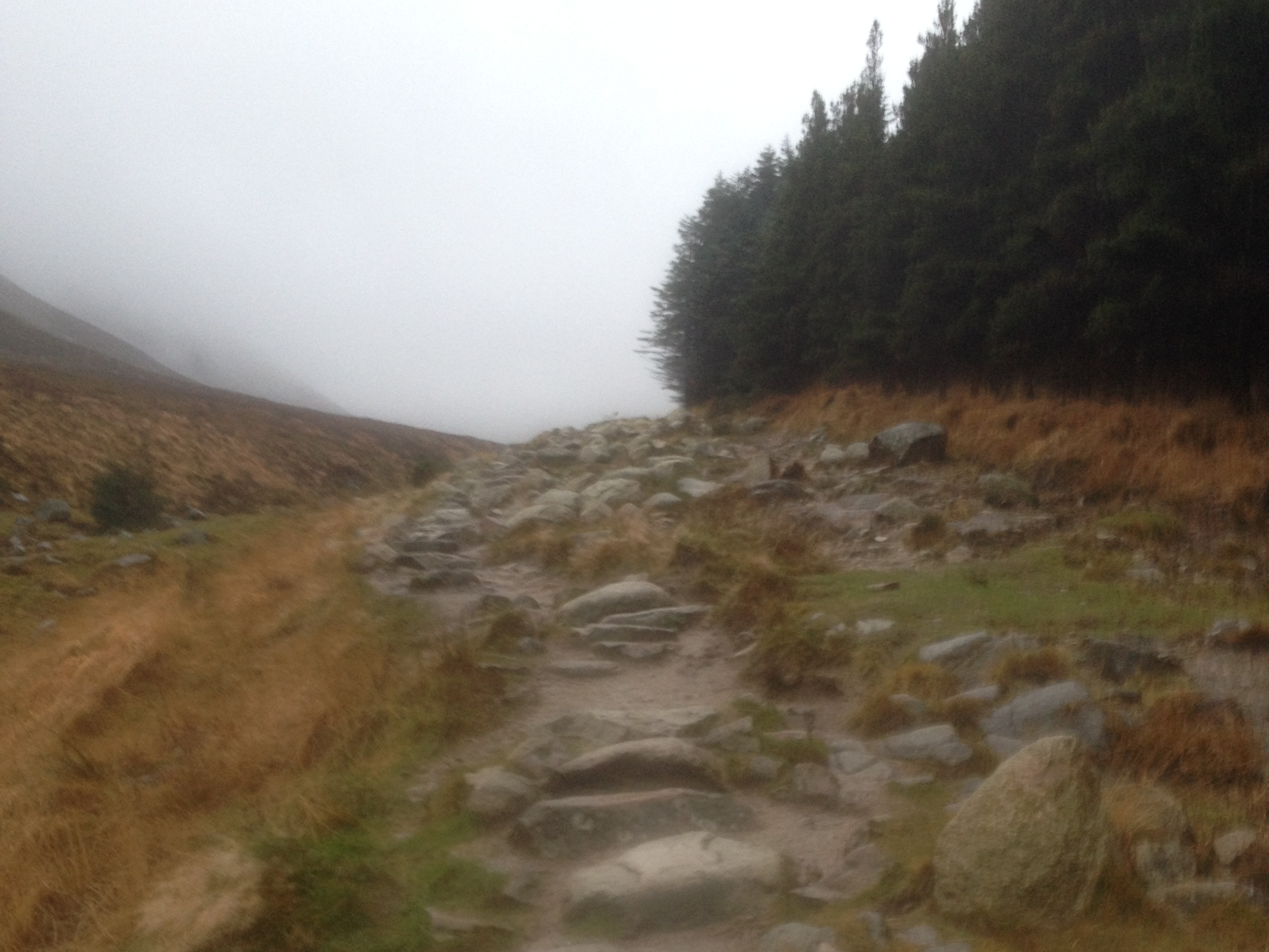
11 things not to do when walking in the Mourne Mountains

When asked what I should do with my day in Belfast many people suggested I should visit the Titanic Museum. I rejected their advice and headed south at the urging of Pete Phillips.

If you wish to try this yourself I have a few words of advice.

1. Do not begin your walk at 2.35pm in January.

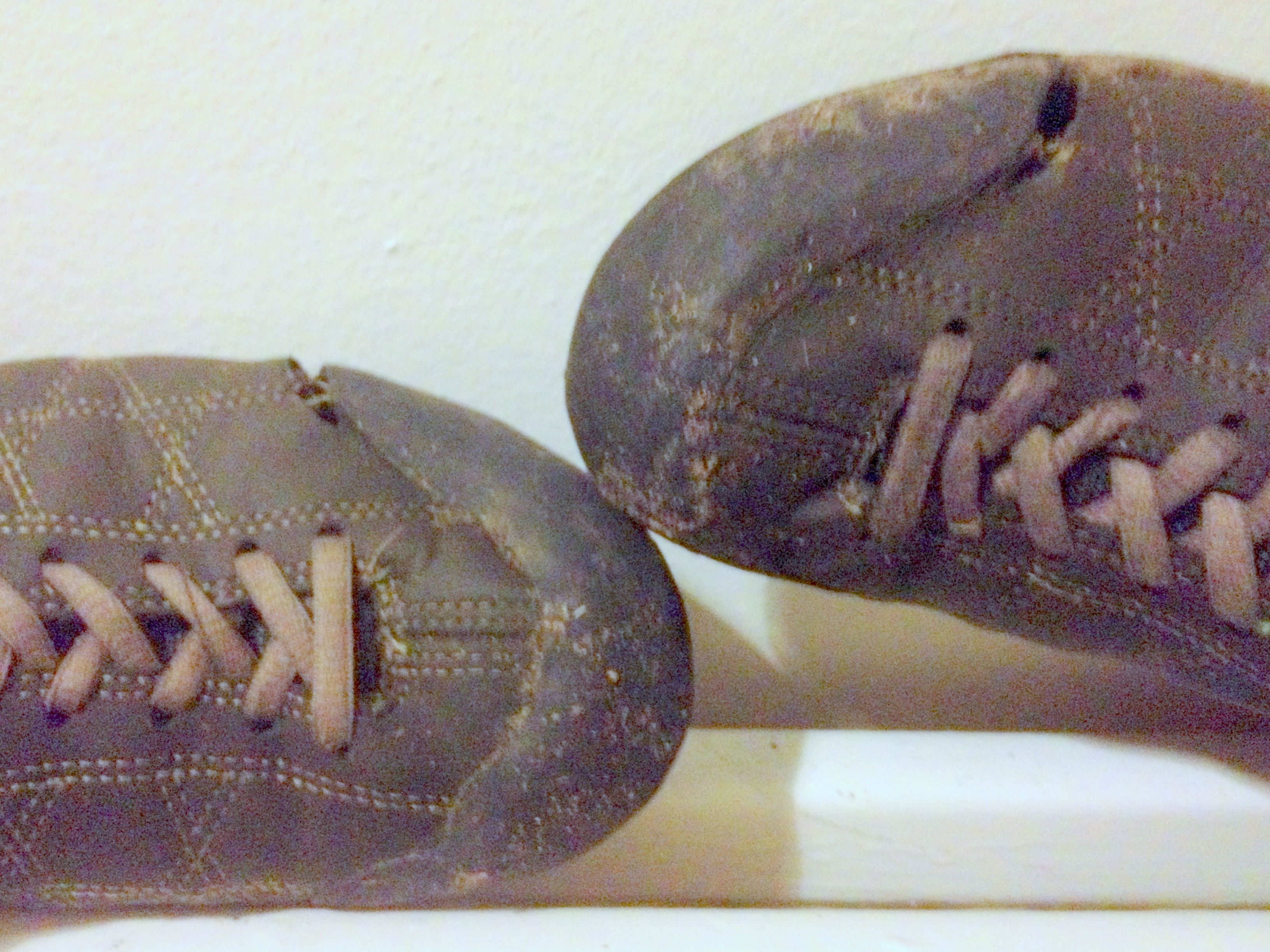
Jan 2014 0722. Do not walk in jeans and shows that have matching holes on the outside of each foot’s toes.

Jan 2014 091

3. Do not expect to stay dry.

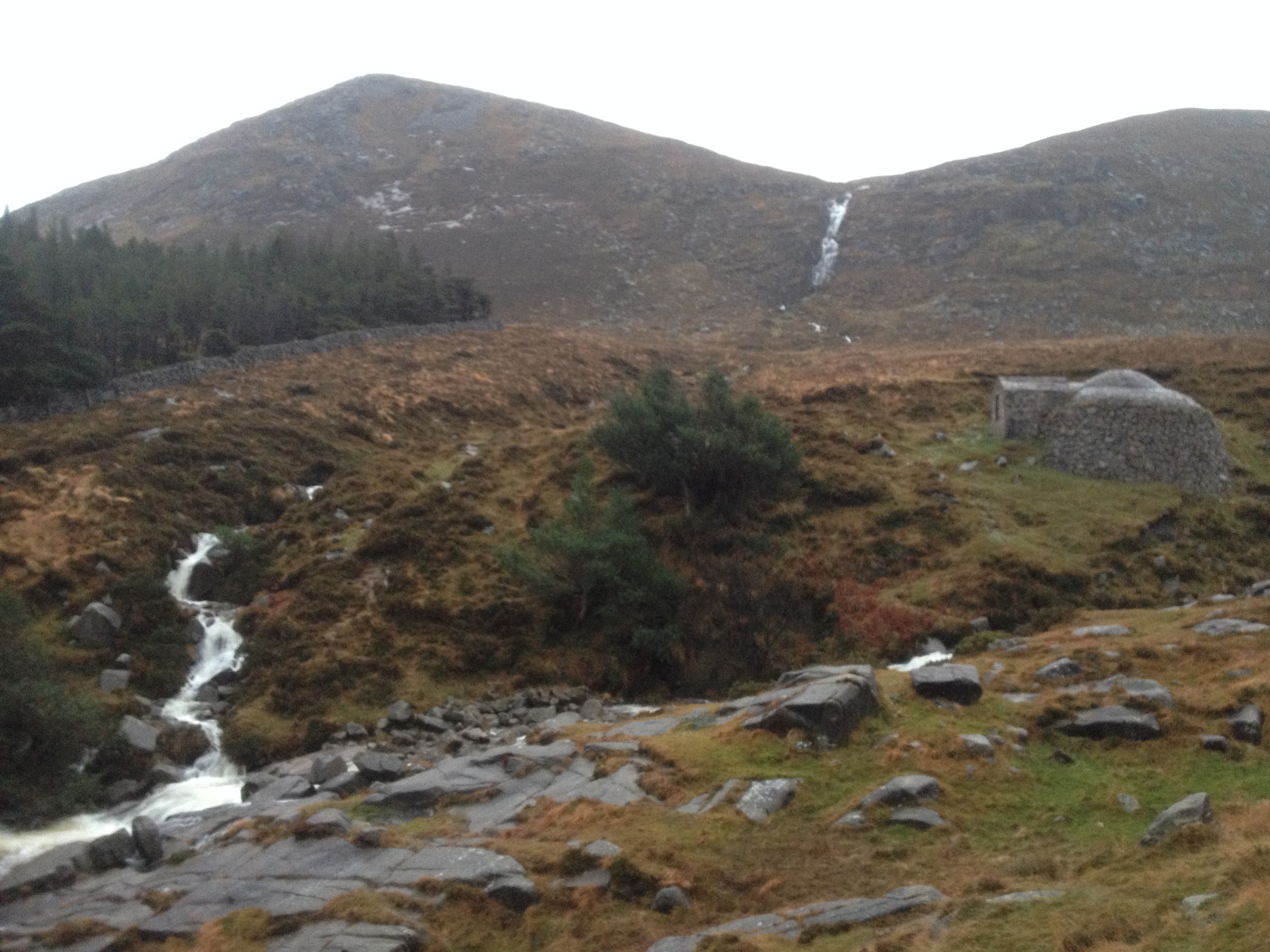
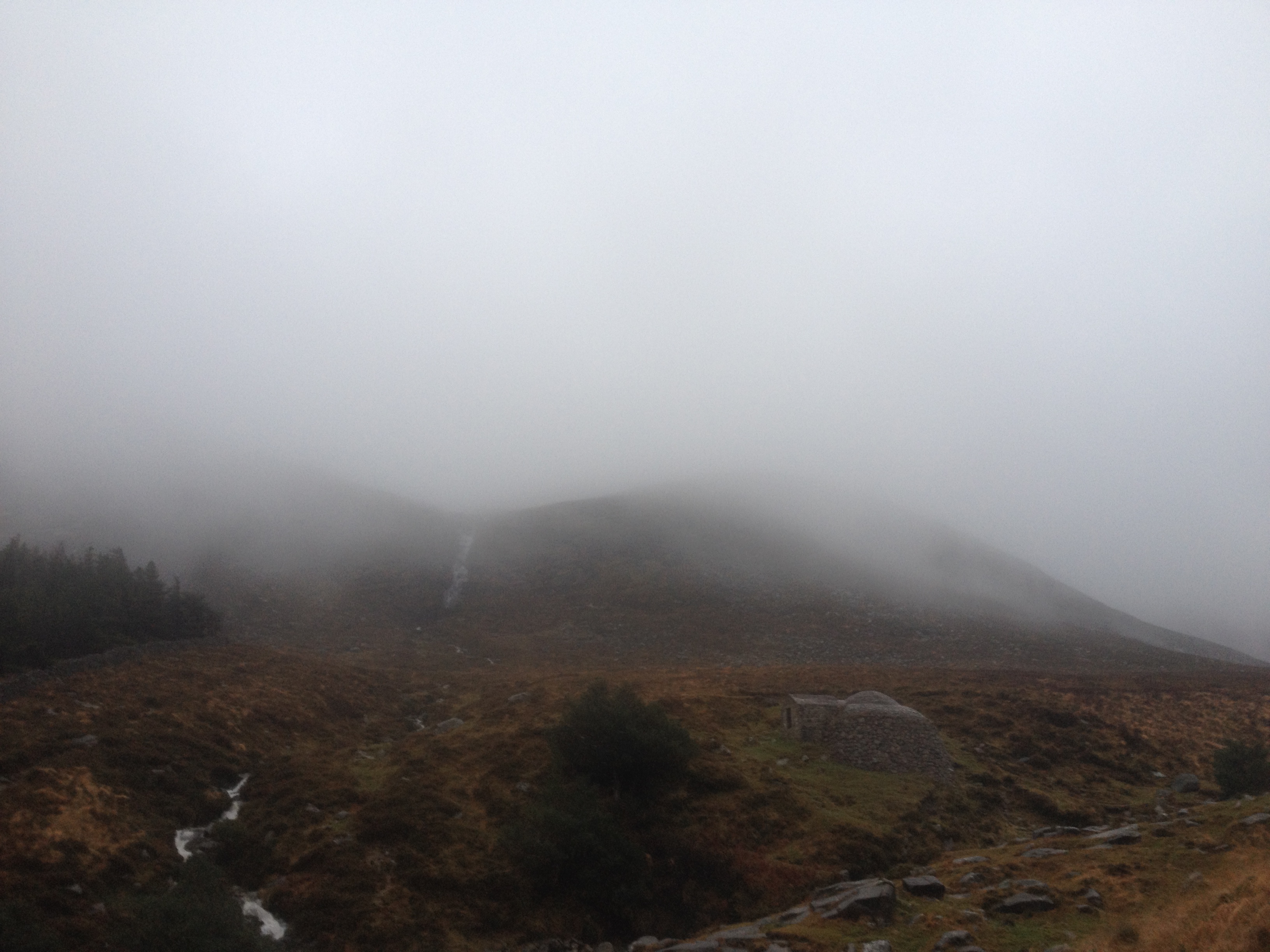
Jan 2014 0754. Do not pause in the rain to read the information board explaining the peculiar hut on the other side of the gushing river.

Jan 2014 090

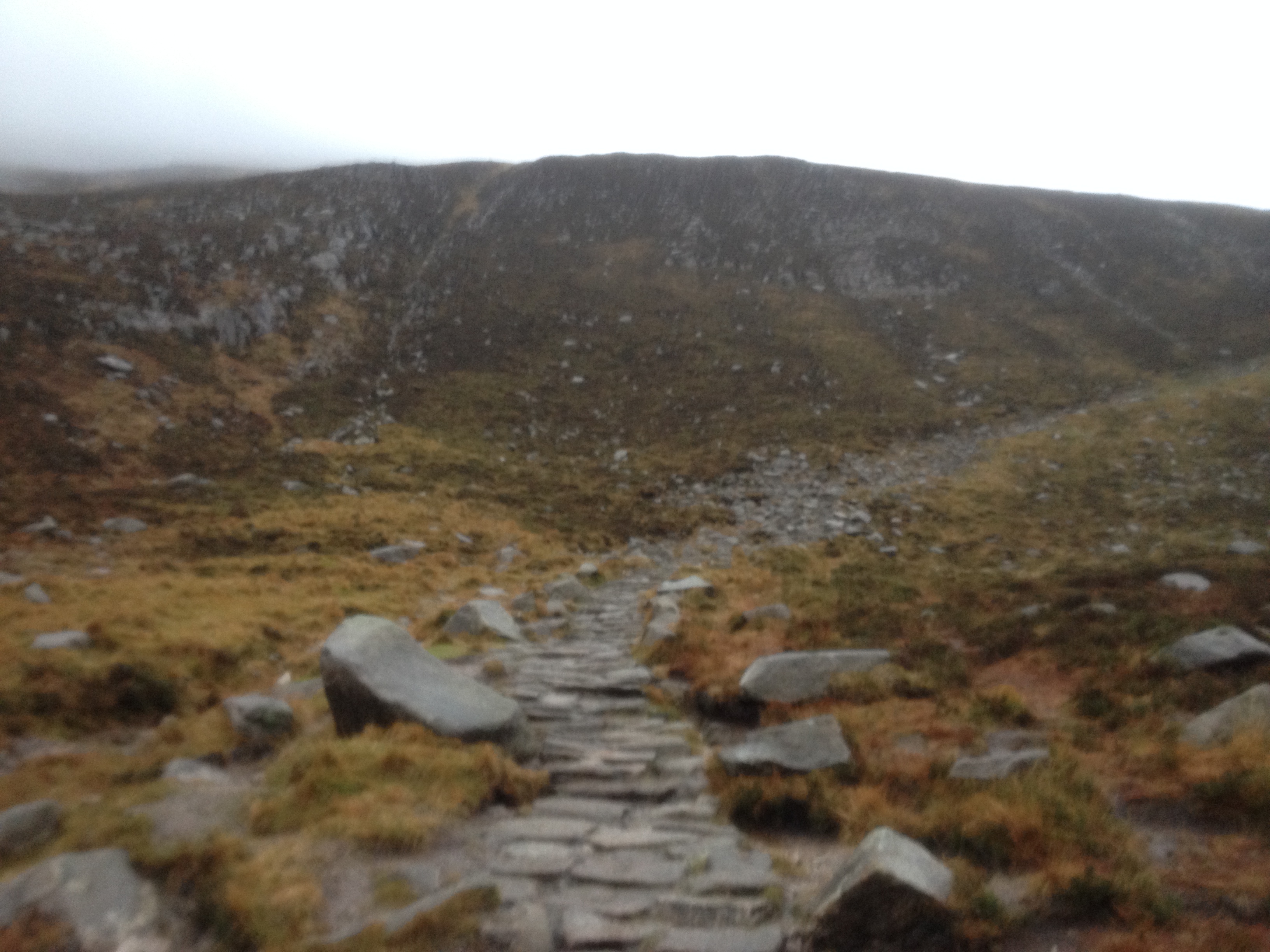
5. Do not walk in the streams that pretend to be paths.

Jan 2014 076

6. Do not think that you’ll be able to take decent photos when your phone won’t even let you tap in your entry code because it and your fingers are so wet.

Jan 2014 073

7. Do not set off with no water and no sustenance except two Cadbury’s Cream Eggs.

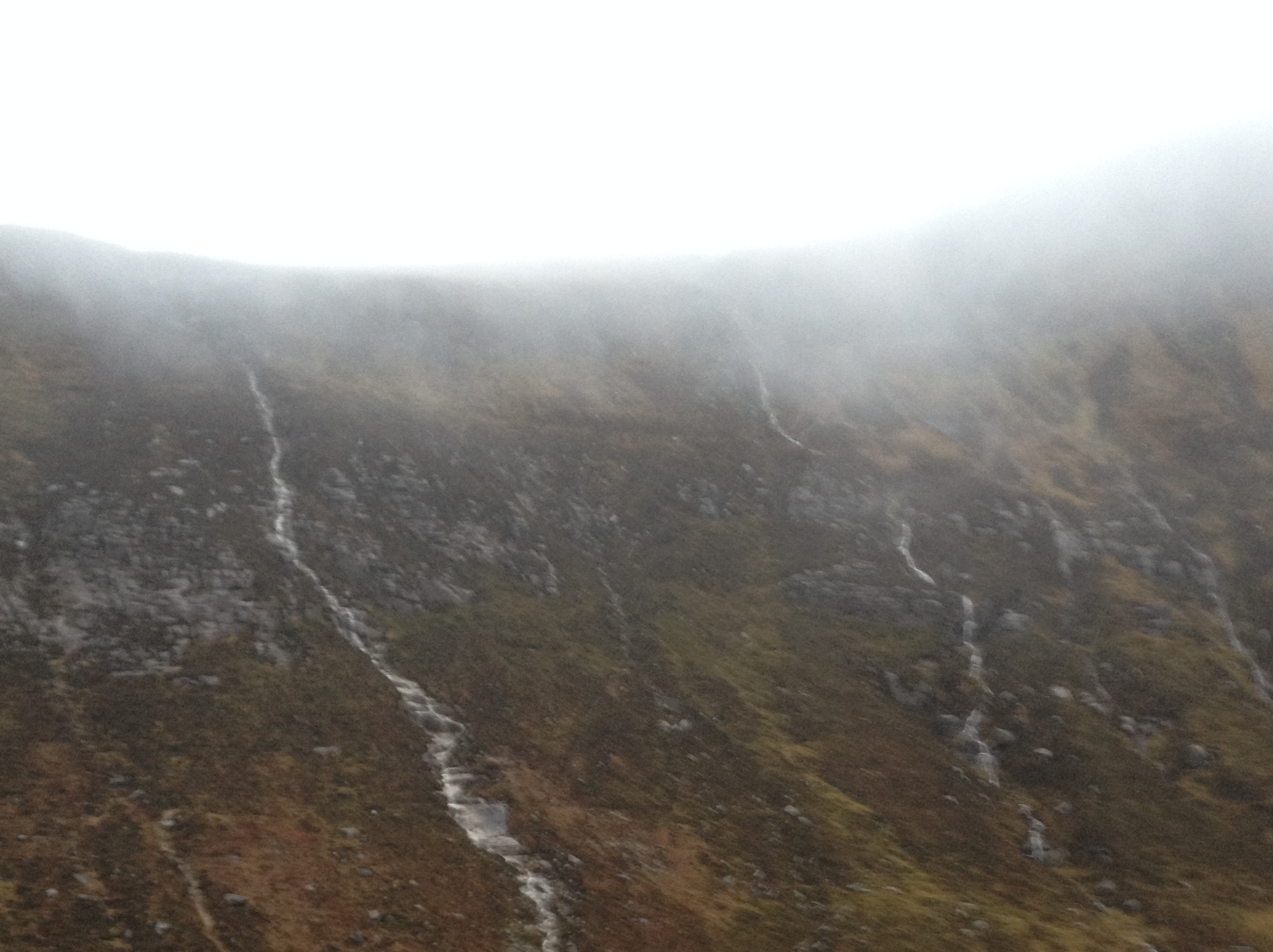
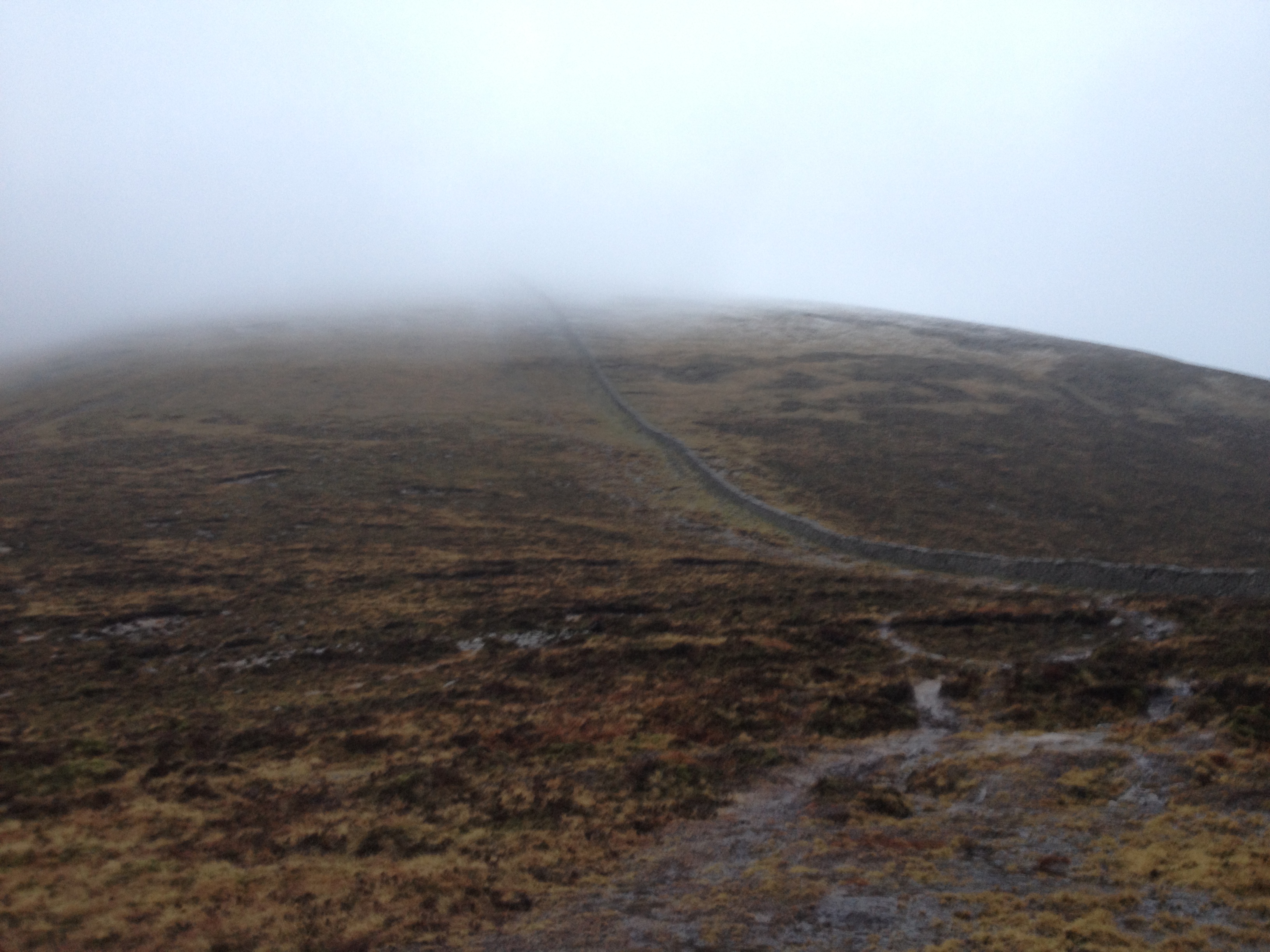
Jan 2014 0978. Do not think you’ll ever actually see the top through the mist/cloud/rain/dwindling daylight.

Jan 2014 069

9. Do not get most of the way to the top and then have to turn back because light and inappropriate footwear are about to defeat you.

Jan 2014 080

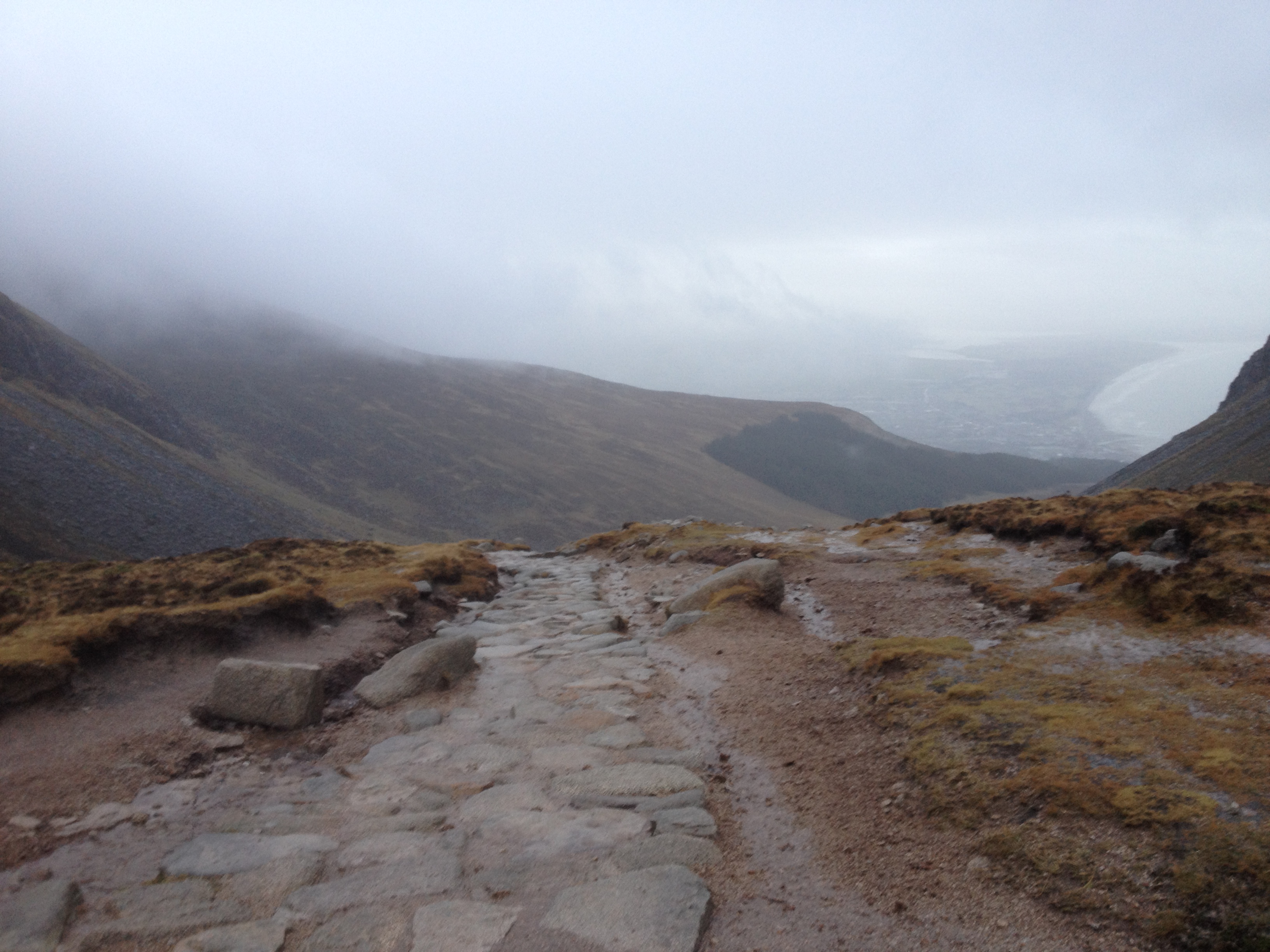
10. Do not forget that the views are stunning, even on a day such as this.

Jan 2014 084

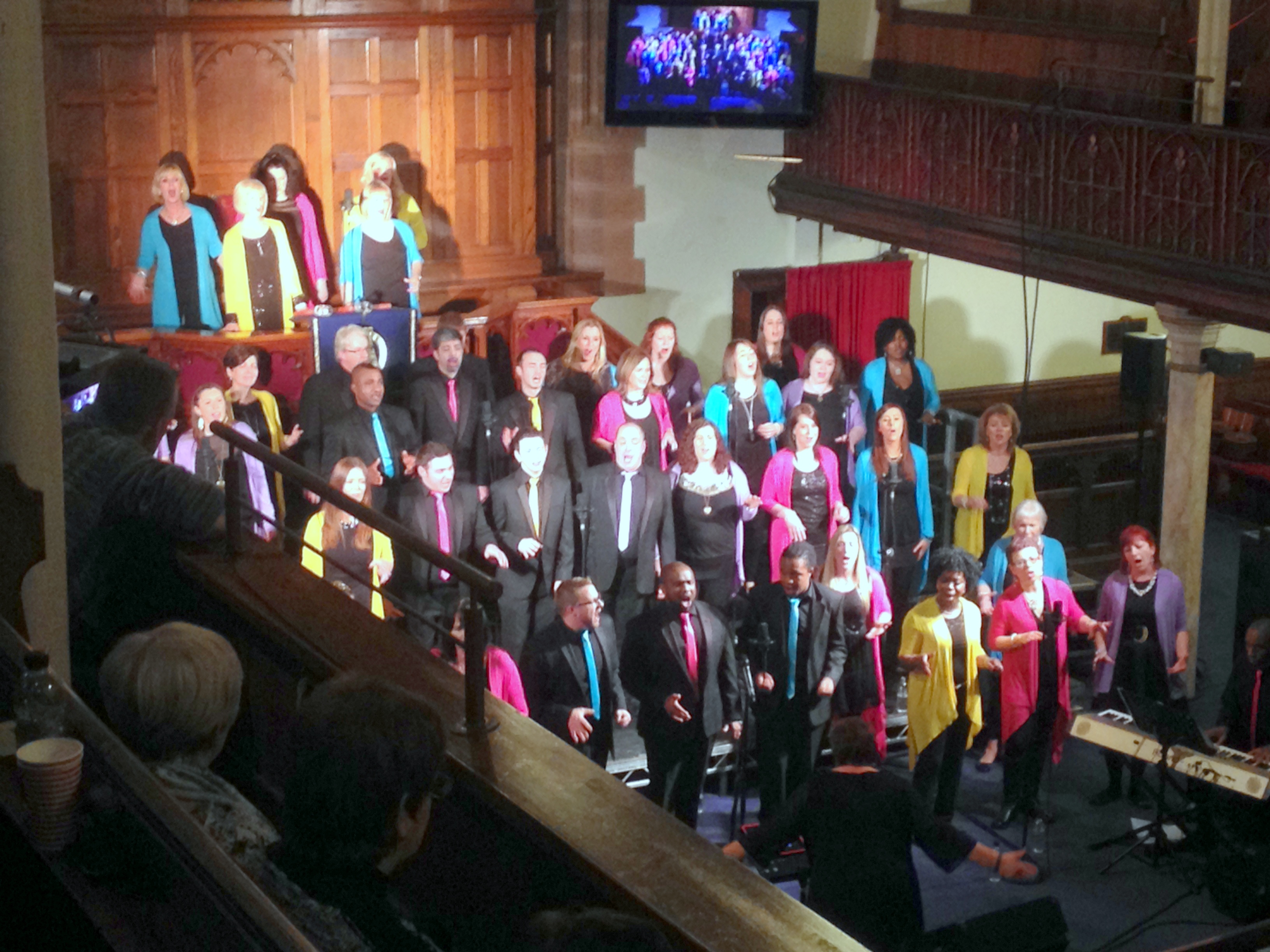
11. Do not miss out on the Belfast Community Gospel Choir concert which, once I had reached a modicum of dryness, I absolutely loved this evening. 

Jan 2014 095

Cambodia – seeing beyond Indiana Jones

pot-pyre

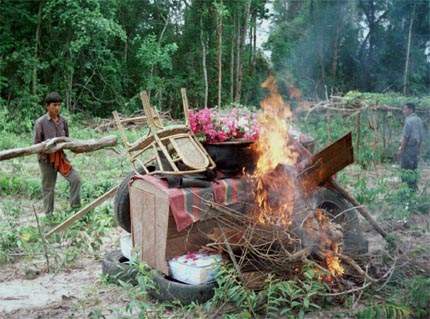
Aged fourteen and on a ferry to France I was upgraded to Club Class to ensure this unaccompanied minor didn’t get up to any mischief. Instead of mischief, I sat with my complementary papers and cup of tea and read about the funeral pyre for Pol Pot splashed on the front page.

Now I want to travel to see the country, hear from the people and learn how you and I can make a difference.

That ferry journey was when I first heard of Cambodia. I later learnt of the Vietnam conflict which spilled across borders and read accounts of the killing fields, where grass was turned red as up to two million of Pol Pot’s countrymen were killed under the command of Brother One. Twenty three years prior to his death his Khmer Rouge fighters took Phnom Penh to, as the Chicago Tribune described, turn his ideology into bloody reality.

And nearly two decades on in a country with an economy growing, the poor are being left behind.

Pol Pot dreamt of recreating the glory days of Angkor Wat and the Khmer empire of the twelfth century, instead he left a country crippled by civil war, a population haunted by poverty and a nation that nobody noticed. Twenty years after the start of his atrocities his death brought the country back to the front pages for those like me to hear of for the first time, and after a brief flirtation with the public interest it faded from view again.

Apart from the occasional photos from a friend’s travels through south-east Asia, usually posed before the stunning temples from an era belonging more to Indiana Jones than the present population, Cambodia remains an enigma. One of those places far away where dreadful things happened by one of the last great dictators of a twentieth century haunted with a litany of figures robbing humanity of their own.

The present is further away than the past.

The past can be accounted for, it can be condemned and it can be denounced, it can be labelled an aberration when man killed man for nothing but a misplaced sense of national glory. The present is with us. It is a mother left caring for children when a father dies. It is an eldest daughter looking after her siblings when HIV robs a family of its parents. It is poverty ingrained in community life, a norm that should be anything but. A status quo which must be questioned, condemned and dealt with, denounced with as much force and far more action than the slaughter of innocents decades before.

It is something you must do and I must too.

The effects of poverty, the lack of clean water, the unceasing hunger, the paucity of education that stumps development at its root. It can all seem too much. It can stun us into inaction, blinded by complexity, blinkered by politics, blanked out by poverty so vast it seems almost normal. The tyranny of grand problems block us from acting even when the step we can take is small and very achievable. It doesn’t take much but it takes something.

The coffee I drunk as I wrote this is all it costs to support their work each month. If you gave £3 to Tearfund each month it would enable them to work with local churches and community organisations. By doing this communities are able to support themselves, help feed each other, access resources and help put families beyond the reach of poverty that rips families apart and takes lives without care for the cost.

I am going to travel the thousands of miles across continents to see how the help helps. To see the work work. And to see what your support would support. To see the lives that Tearfund are already helping transform, and those it could affect with the cost of your coffee each month.

I am not a fundraiser, I am not a particularly good at self promotion. I even stopped blogging for the past few months. But I have my words, and I want to hear the stories from Cambodia and tell them to you. I want to bring them to life so that you can help Tearfund sustain life in places where it too often hangs by too thin a thread.

*  *  *

I’m thrilled to have been chosen by Tearfund to travel to Cambodia in March as part of their bloggers’ trip. Along with Anita Mathias and Rich Wells, I’ll be telling stories of what we see on the ground and the work that Tearfund are doing to give a helping hand up out of poverty. Stay tuned for more!

cambodia[2]

What if?

What ifI wrote this in February 2007 inspired by this advert from Honda. I remembered it yesterday. (I realise I’m supposed to be on a break from blogging.)

If we know how much God loved us would we need anything more?

Would we be stranded by our indifference yet alienated by our cause?

Would we be intoxicated by worldly charms yet remain so unfulfilled?

Would we barely blink at the pain of millions and turn our noses up at the poor?

Would we accessorise the crucifixion instead of making it our core?

We switch channels to ignore the plight of the dying, the used, the abused.

If we know how much God loved us would we walk by our enemy on the floor?

Would we live our lives in secret, with a false façade to who we are?

What if we shrugged off our respectability and refused to conform?

Stood up to be counted joining hands with the poor,

What if we know we were no different, broken to the core?

What if the world around us noticed that we are all losers and freaks?

But that the grace of God is greater than the depths of our grief.

What if the broken world around us provoked us to react?

Towards conciliation not Constantine or compromise.

What if we know God has a plan for us all?

Not just those in full time ministry or missionaries to the poor,

A life for everyone of us, dedicated to his cause,

What if to get to Heaven you had to go through Hell?

If our brokenness and sinfulness was overruled by Imago Dei.

He taught us to walk but we fled from his throne room.

What if our chains of pride were broken?

Our bonds and shackles released?

What if our dreams and fears existed in the same place?

What if everything we ever wanted cost us everything we had ever achieved?

And earthly things meant nothing,

Could not break our resolve,

Could not shake our conviction,

Could not capture our soul,

What if we stepped out believing that God had more for us than this?

A hope for the future,

A better day to come,

A life that is worth living, for the glory of the son.

What if we all began to pray like it was our last day here on earth?

What if we know how much God loved us, would we need anything more?

Hitting the pause button

single contact person

I thought it would be good to write a spectacularly emotive piece today. I wanted to conjure up sentences that flowed smoothly together building up into a powerful picture.

But actually, the fact I cannot illustrates my point far better than they would.

I am tired. I am exhausted. I am doing too much. I am stopping blogging.

Yesterday was an abnormally busy day. I started writing that day’s post, on why I was giving up on my fundraising drive. And ended it writing a guest post for the God and Politics blog on the ludicrous new report out from the National Secular Society. And in between worked flat out.

That’s one day, and an unusual one at that. But I have realised I need space. I read yesterday on a slightly feminine blog about the need to keep the margins of life clear. My life has no margins.

I have tried, in these last few weeks, to find some smidgen of space to assess my busyness and what I can do about it. Except I haven’t had the time to

I have found I have not given to my relationships what I would like to give to them. I have avoided entanglement opting instead to keep things simple, superficial and easier to withdraw from. That’s why I wrote on Wednesday about the challenges I find with blogging and tweeting and the social side of social media. I don’t want to make claims that are too wide or accuse others where it is me at fault, but I have found it oppressive.

Sometimes I want the world to stop. Sometimes I want to pause the internet. I want time to think, work out how to respond, what to say and how to say it sensitively and clearly. Unfortunately I don’t have that power.

I need to spend time with people building relationships, not spend time writing about relationships.

I find it hard to know when to engage, when to step back, when to fight with all my might and when to ignore the latest controversy that would barely break the surface if it wasn’t for the response it generated.

The pressure to write a few times a week to keep the traffic levels up, to mix in stuff I know will get hits with the mellow thoughtful pieces read by 17 people. The challenge to be the spokesperson for Christian guys on relationships issues (next Sunday I think you’ll be able to hear my thoughts on singleness and the church for various local BBC stations).

It all became too much.

So I am walking away. This blog is officially on hiatus. I don’t have the power to pause the internet but I can pause writing and responding. And when I say officially I mean I have decided not to blog for a while. There’s really nothing official about it, I haven’t asked anyone’s permission. For how long I do not know, probably at least a few months, probably six. (But may change my mind if there’s something I really really must write about…)

I am taking the self imposed burden to write off my shoulders. And I hope to free up some space both in my mind and in my diary.

I’ll carry on writing, I owe a couple of people guest posts I promised months ago. And if you want me to write something I’m happy to consider it. But I have assessed my priorities, and I have decided that right now, this blog is not one of them.

I’m also contemplating a medium term break from twitter, but not quite ready to go cold turkey on that one yet!

When I throw the towel in

Over the past few weeks I’ve posted a couple of times about a crazy scheme I’d thought up, half stolen, slightly adapted, and planned to implement in the run up to my 30th birthday.

My plan was to raise £30,000 to help tackle violence against women before I turned 30 – which is in March. I thought I would raise awareness, encourage people to take the issue seriously, know that it’s far closer than they might think. Violence against women is not something that happens to other people. It is not something the church is immune from either.

I was going to come up with some amazing fundraising initiatives, I was going to get hundreds of people on board, I was going to use them to exponentially increase the amount of money I could raise.

I was going to do a remote fundraising activity. Wherever you are in the world on one particular morning we would all do the same endeavour. This was my masterplan.

But I am throwing the towel in.

The worth in doing this is undoubted, the need for raised awareness: the need for raised money at a time when shelters are losing funding.

But I wouldn’t do it justice. I am exhausted, I am distracted, I can come up with a hundred reasons why I should still do it, but I don’t think I should. For this to work I would have to commit time and effort that I simply do not have.

I could drop other things, I could work earlier, I could work later. I have plenty of train journeys with time to use. That’s not what this is about. More about that tomorrow.

I also felt I was walking blindfolded into a complicated and challenging issue, I was conscious that I might say the wrong thing, back a project doing something in a way a swathe of people opposed. And this meant I stalled, I waited, I hoped it might miraculously fall into place.

I heard the passion of people who have done similar things, set themselves an outrageous goal and sacrificed to make it happen. The thrill of it, discovering themselves, finding someone on the journey. When they gave themselves to a goal this or that wonderful thing happened. I wondered if that might happen to me.

So I’m not doing it. I’m not trying to raise £30,000. But this is not about me, it’s not about my achievement, or my effort, or even my willingness to admit fault and do what I am doing now and packing the endeavour in before I have really begun. I hadn’t even settled on which charities I was going to do it for. There was no perfect project, nothing that really fitted what I wanted, I was being too picky.

Here’s some of the organisations I was looking at supporting, I’ll be making donations to each of these and I would hugely encourage you to do likewise.

Restored – Ending violence against women

Waterfall

A Way Out

When I fall out of love with social media

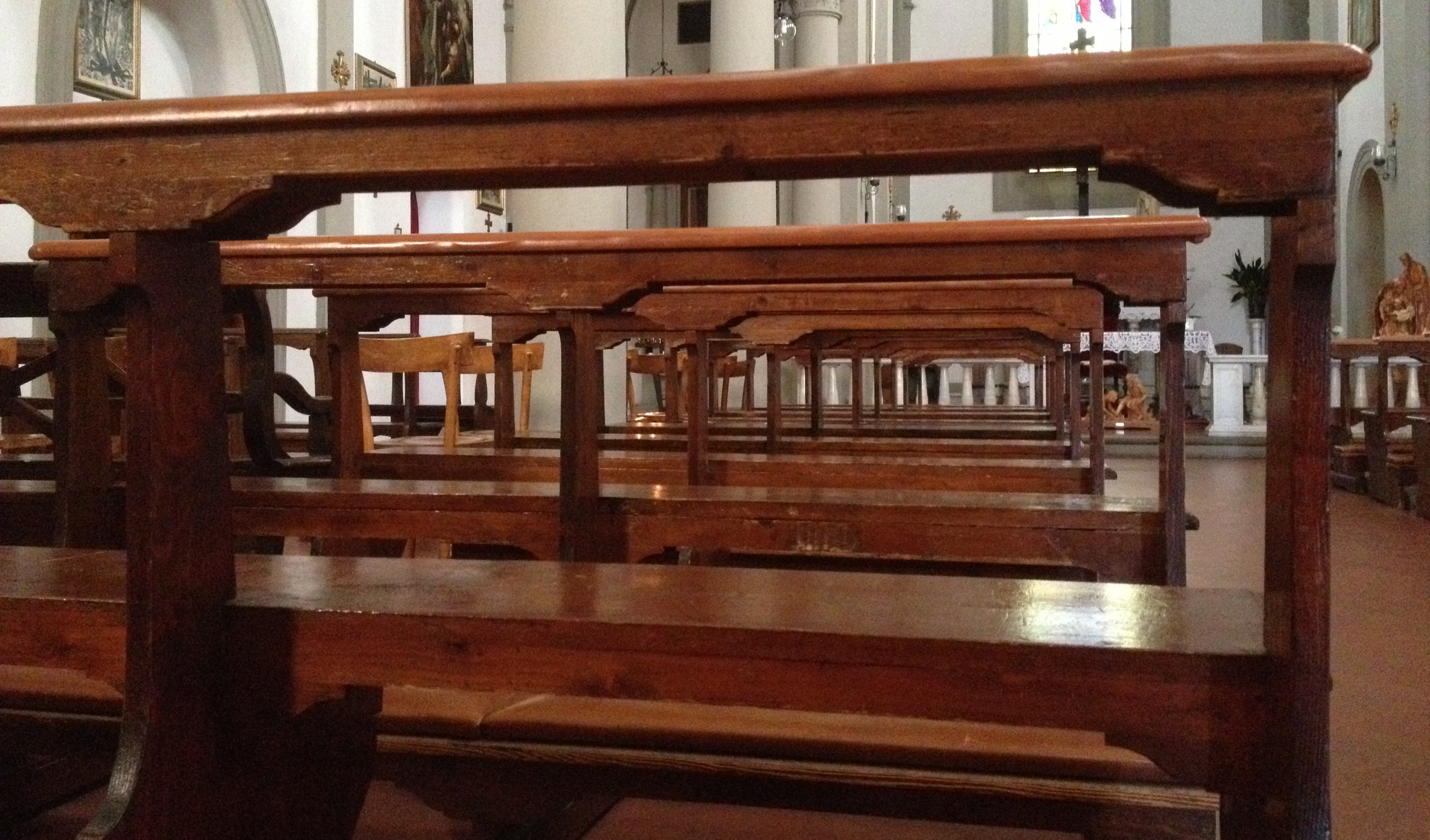
Church pews in Tuscany

I

Are there ever days when you can’t face getting out of bed, when the trauma seems too much, when people seem difficult, circumstances challenging and it all just a little bit too much.

I have those days.

I have the days when crowds are claustrophobic and friends seem faux.

I have days when I am not very sociable, nights when I skip the party and times after church when I walk out the door without talking to anyone.

I have the good days too. Not just those when everything goes easy, when friendships are smooth when fun is effortless. But also those where it is hard.

When eye looks into eye. When words spoken meet ears listening. When hearts opened meet arms stretched.

II

I’ve been blogging for just over two years, tweeting for nearly five.

I’m neither a philistine or a fanatic of the social media variety. I like being social and sometimes I think I do a pretty good job of it.

Do a pretty good job of it? What kind of way of talking is that?!

It’s instinctive I tell people, it’s like a language, you just have to find your voice. Don’t listen to those who tell you rules on who to follow, how to tweet, the etiquette of engagement.

Social media is a world many people don’t know. I tried to explain tweeting to my sister last year and all I got was a blank stare.

Social media is a world some people claim to own. Not in a legal possession sort of way, but in a these are the ways you should engage and you’re welcome regardless, but really, if you’re going to do social media properly, then this is how you should do it. I’ve always reacted against that sort of thing.

Sometimes it is oppressive. I found myself defending myself for not following more people on twitter recently. I’ve tried to keep it to a realistic number, and my excuse is I’m pretty good at engaging beyond that, I’ll almost always reply, I’ll jump into amusing conversations, hilarious memes.

I felt it necessary to defend that I was doing twitter right. Or at least acceptably. Or maybe that my way was right.

III

I chose to blog about relationships.

I chose to write about emotions and feelings, and the way they find their way like water into the recesses of our life.

I chose to make honesty and openness the hallmarks of my writing. I chose to make myself vulnerable, to make myself known across the ether to those who do not know me.

And people read what I wrote. Not loads, but enough. My family, my friends. The odd influential blogger who might tweet about my writing. Retweets that generated traffic, comments from journalists and those the subject of my posts. Attention that I never felt I deserved but started to crave.

The shock finding that according to some algorithm this blog is ranked 5th out of all religion and belief blogs in the UK. Nice but weird. And unsustainable, at some point the new rankings will come and I’ll tumble off that perch.

The cost of my hallmarks was each post got harder to write. Vulnerability cuts deep. I had exposed each layer and to take the next off was painful. Writing about fear, about shame, about doubt, about past experiences or lack thereof. Writing about hopes and dreams and fears and anxiety. And fears.

IV

Walking into church after one of those posts was always hard. When I say I find going to church hard. And then walking through the doors the next day.

I tell myself if I’ve helped some people grapple a bit better with their own struggles with church, if I’ve provided an ounce of hope to those unable to see the light, then that’s worth it.

V

I never hesitate before opening up twitter to share my latest thoughts, join in whatever conversation is the topic of the day, tweet links to my latest post. I only pause a moment before making my most vulnerable statements.

I’ll spend evenings when I don’t feel like going out browsing twitter jumping into and out of conversations, commentating on the latest TV, on whether or not I should watch another episode of Breaking Bad. When I leave church early I’ll banter with people I do not know. I joke in ways I wouldn’t normally. Not in real life.

It’s not like real life.

Yes I said it. Shoot me down. I don’t think social media is real life. It’s a construct, it’s a facade. It has elements of reality mediated through technology and distance that can be great.

I enjoy it, sometimes I love it. I’ve met people I would never have otherwise, and kept up friendships that might have waned. I’ve learnt and I have grown. I’ve had in depth conversations with people I’ve never met.

But I think we ask of it too much.

It is not the same as the person sat before you. The eyes that look into eyes, the words and the silence that speak compassion. The hug at the end of a conversation. Social media hasn’t learnt how to transmute a hug.

I’ve jumped the shark. Any suggestion I might know what I’m on about gone. Any social media credibility abandoned. I don’t think my Klout score will ever recover.

VI

It’s not only the how but the what. Not only how you engage in social media or blogging that is focused through an informal never quite agreed on set of norms. But also what views are valid. What is acceptable, what will be met with nods of approval, affirming responses.

I know I can write that stuff.

Sometimes I’ve shied away from topics because it might lose me credibility. The people I want to like what I write might not like me if I said this about that, or that about this.

The feeling that my words need to speak for themselves. Because they are what I leave.

VII

When I think about the people I love the most. Those closest to me. My family and my best friends.

It is not their words that I value. It’s not their clever phrases or ability to find humorous words to add into Christian book titles.

I have a friend who is annoyingly good at cutting to the heart of situations, of getting to grips with what’s really going on. But that only works when I’m looking into their eyes.

When I think about a community that cares I think of people around me. Those I see and know and am able to touch. Those in real life. Sure social media can give me a boost. It can be loving, it can be kind, it can be compassionate.

But I don’t think it will ever be more than a bolt on to the community of people I call my friends. And if it becomes more than that maybe I’m not giving enough to my friends. Those who I can give a hug to.

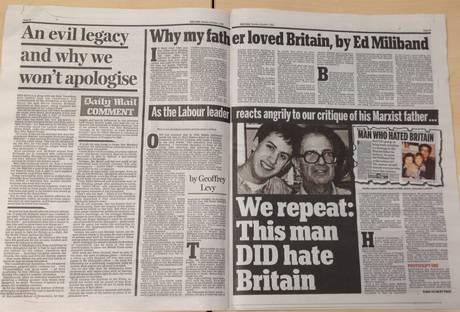
Miliband, the Mail and making sense of malice

v2-Miliband-MAIL2

I haven’t read the Daily Mail’s article about Ralph Miliband. Nor have I read Ed Miliband’s response. I did look at a photo posted on twitter of the Daily Mail’s editorial defending their decision and I read a bit about that. Whenever national papers quote the Bible in their editorials it always peaks my interest.

I come to this like a lot of people. My views of the situation are mediated by how it has been presented, and as I decided to write something I took the decision to not read the pieces. And this is how I see it.

  • The Daily Mail ran a column saying nasty things about Ralph Miliband, father to Ed and David, including that he was a Marxist, called him evil, and that he hated Britain.
  • Ed Miliband complained and the paper agreed to publish a right of reply. He wrote it saying how day you say nasty things about my Dad, he fought in the Navy, he was a patriot.
  • The Daily Mail duly published this response but alongside a reprint of the original piece and a editorial defending the decision and refusing to apologise.
  • Hysteria broke out.
  • Photos of previous Daily Mail proprietors posing with Hitler were found and the Mail’s fascist sympathies in the 1930s were recalled.
  • It turned into something resembling, your dead forebears were worse than our dead forebears.
  • The Daily Mail continued to publish pieces highly critical of the Milibands
  • The Labour party turned this into a data harvesting exercise to get supporters and donations, and to generally galvanise outrage.
  • Alastair Campbell somehow got involved. Yelled quite a lot at deputy editor on Newsnight, who basically refused to say anything, and once again refused to back down.
  • The Mail on Sunday sent two journalists to Ed Miliband’s uncle’s memorial service looking for a reaction to the furore. Full apology given and journalists suspended.
  • Paul Dacre editor of the Daily Mail has said nothing so Alastair Campbell decided to launch an online petition calling for a debate, which had last check had 43,000 supporters.

And that’s how I’ve followed this latest controversy de jour, or de semaine. It’s not been very edifying. And the conventional wisdom seems to be spreading that this has massively backfired. There has also been speculation that the Daily Mail went down this particularly aggressive route in retaliation for Labour’s support of statutory press regulation

It really shouldn’t be necessary, but in light of what I’m about to say let me make this abundantly clear: from what I’ve seen, the way Ralph Miliband was described and used as a proxy to attack his son is deplorable. If you’re going to have a go at someone, have a go at them, don’t do it through the teenage writings of their now dead father.

I want to examine two things, one the idea that Ralph Miliband was evil, and the second that this will help Labour. Firstly, I don’t think that particular positions on the monarchy, democracy, or other cherished institutions make someone evil. I also wonder if a committed Marxist, as I believe Ralph Miliband was, would be against the idea of the nation state of Britain, in the way they would oppose any nation state and prefer and international socialism. But that’s a tangent

What does make someone evil? Is it a label so niche it is reserved for Hitler, Stalin, Pol Pot, Saddam Hussein, Osama bin Laden, and maybe George W Bush if you’re so inclined. Oh, and it’s also used to describe those who contemporaneously commit acts so vile they still appal our collective conscious. Basically paedophiles, rapists and murders. The tag of ‘evil’ suggests someone no sane human would ever support.

But that’s not how we are. We are not defined by the acts that we do, as egregious or exemplary as they may be. One is not made evil by committing horrific wrongs, or made good by their acts of kindness. So no more is Ralph Miliband evil than are you or I, but evil we do, and a propensity to do it comes more often than we would like to imagine.

“If only it were all so simple! If only there were evil people somewhere insidiously committing evil deeds, and it were necessary only to separate them from the rest of us and destroy them. But the line dividing good and evil cuts through the heart of every human being. And who is willing to destroy a piece of his own heart?” Aleksandr Solzhenitsyn

While evil is so rare to never be something applied to regular people sin is trivialised, as Francis Spufford comments, to mean things like indulging in a bit too much chocolate. But we have a propensity to wreck things, the HPtFTu as Spufford puts it.

On the other point, will this really help Labour? Well maybe. It has certainly galvanised many on the left, and outraged people across the spectrum. It’s simply not nice to treat people as Ralph Miliband was treated. Nor how Margaret Thatcher was upon her death.

It has provoked people to have a go at the Daily Mail, refuse to buy it, encourage advertisers to pull out, call for better press regulation. And for the editor to debate Alastair Campbell. From what I’ve seen and picked up I do not think that what the Daily Mail published should be stopped from being published again. I would prefer they didn’t, I think it is damaging for our trust and appreciation for politician regardless of their position, but I don’t think it should be stopped. I think seguing this into an argument for better regulation of the press comes close to arguing that they cannot say nasty things about us. A free press requires that they can.

UKIP benefit when politicians have a go at them. They thrive when they are mocked, abused, hounded by the press. When Michael Crick doorsteps one of their MEPs can get swotted by a fly UKIP are seen as refusing to dance to the tune set by the media establishment. They do well when other people think they are making fools of themselves. Their very outsider status makes them particularly hard to respond to.

I wonder if the same is happening here with the Daily Mail. While the collective establishment is outraged and shocked that they would publish such words and follow it up with such a relentlessly personal campaign against one family. I wonder, I just wonder, if there are many people who side with the Daily Mail, who read their pages and are not outraged, who do not get the commentariat’s little jokes about the side bar of shame. Who read the columns and see the headlines, and follow the coverage and will walk away with the conclusion that Ed Miliband is not the man to lead Britain.

And that’s why I chose not to read the pieces, because many who respond to them and whose views of politics and the press are affected by them will not have either. The impression that a situation provokes, especially one such as this is as important as the actual content and intention.

I’m not saying for a moment that they should, that this justifies the words printed, or their stoic defence. But I think we should pause a moment before laughing in their face and thinking it has failed to achieve what they might have intended. A lot is often misappropriated in the name of the silent majority, the masses beyond Westminster, Mr Mondeo and Mrs Mitsubishi, but maybe more identify with what those anti-establishment voices say than we might like.

And can I say one more thing before the outrage descends? Perhaps among the legitimate outrage and annoyance, among the valid grievance and complaint, is just a hint of the feigned and the faux? That this is a good stick to beat a paper never accommodating to Labour’s policies, positions or personalities, and now they have a good reason for that cleft to become a canyon. And at the time getting their supporters impassioned and empowered.

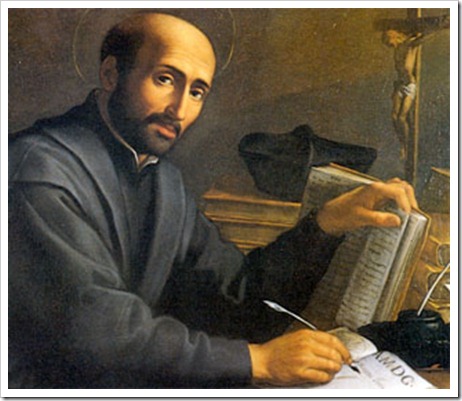
The curious case of Dr Drew and St Ignatius’ prayer

Ignatius-Loyola_thumb3

Sending a prayer to colleagues shouldn’t be a sackable offence. If we have freedom of religious expression what use is it if we are told we can only exercise it in private? Freedom of religion and freedom of expression have to include a public dimension if the freedoms are to be substantive.

But does the public expression of belief require that workplaces accommodate it in all its forms? Probably not.

While religious freedom should allow for religious expression within the workplace, that doesn’t mean it should in all its forms. The two cases of Shirley Chaplin and Nadia Eweida provide a helpful illustration, they both complained at their employers’ restrictions on wearing a religious symbol, in the first case the restriction was considered legitimate due to health and safety concerns (and reasonable alternatives offered), in the latter it was not because only due to a uniform code.

There are actions on the part of an employer which are undue restrictions on religious liberty, and there are actions from employees which may restrict religious liberty, but which may also be justified. The challenge when assessing cases such as these, and Dr Drew’s is the most recent such case, is to work out which side of the line they sit.

The case of Dr Drew and Walsall NHS Trust is more complicated than simply deciding where it sits on a spectrum of fair and unfair interference with religious liberty. In fact, the case doesn’t get into the details of where or how it engages Article 9 of the European Convention of Human Rights. This is because it is a very confused case. The problem arose from a complaint which was investigated, and taken through various rounds of internal processes, an independent review, a disciplinary process, a termination of employment and an employment tribunal before it reached its current stage at the employment appeal tribunal (EAT). The initial complaint, which did have a religious dimension, Dr Drew circulated an email including a prayer, became lost under a wider breakdown of employment relations, and at one point the EAT concludes that he shared confidential information by forwarding on an email, which was gross misconduct in and of itself. Therefore, from my lay reading, it seems reasonable that he was sacked, but he wasn’t sacked for sending an email which contained a prayer.

The sticking point is that the situation escalated because Dr Drew would not accept the recommendations of the independent review panel in their entirety. In particular he took issue from the instruction to refrain from use of religious references in his professional communications. He questioned this requirement and asked for an explanation of how it would work in practice because the English language is replete with metaphor and allegory, much of which is derived from the Bible. It was Dr Drew’s failure and unwillingness to comply with the review’s recommendations that ultimately led to his dismissal, and the main reason he wouldn’t was because he was being asked to not speak about his religious beliefs.

Therefore, although the case can and was dealt with largely without engaging a substantive consideration of whether his religious expression was constrained, it has at its heart the actions of an employer seeking to constrain religious expression, and whether this restriction was valid does not seem to have been adequately considered by the court.

This is a poor case, it seems relationships had broken down, both sides come across as antagonistic and seeking out a dispute rather than a resolution.

But I am concerned that an employer can ask an employee to refrain from using religious language. The case discusses in some detail what the appropriate comparator is to decide whether doing this and acting on Dr Drew’s failure to comply is religious discrimination. The comparator, both the original tribunal and the EAT agreed was another person with a different religious belief or no religious belief being asked not to send texts important to their system of belief or non-belief. The problem is that this creates a barrier between religious beliefs and non-religious beliefs, for example, would an employee be reprimanded for sending poetry to other staff? If you do not follow a religious system of belief you do not have a text or source of texts that can so simply be considered.

The requirement not to use religious references disadvantages those with a religious system of belief over those who do not have one at all or hold only very lightly to one. Therefore, while perhaps not pertinent to the eventual outcome of this case is still a matter of concern. A all encompassing request to not use religious references is secularism writ large, and writ large in a pernicious form. It is a pity it got lost beneath this case.

FURTHER READING: Summary from Law & Religion blog, and the full EAT judgement.

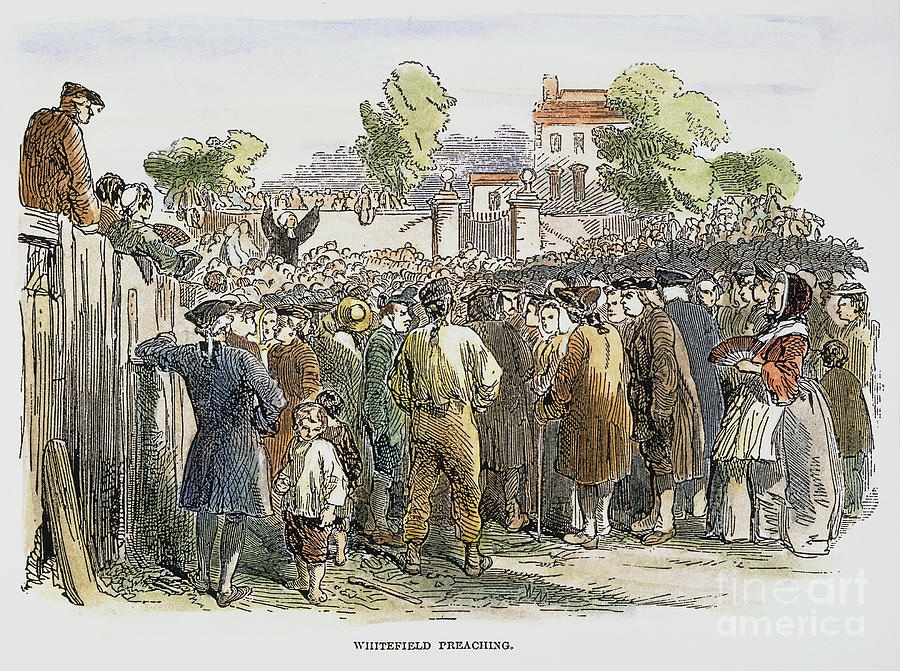
Should street preachers be arrested?

George Whitefield preaching

It’s surely a QTWTAIN. A question to which the answer is no. Ensuring that people are free to preach, worship and change their religious beliefs is a fundamental freedom and a hallmark of a country that respects human rights.

In addition, for Christians there is the clear command of scripture to go out into all the world and preach the good news. Not only should public preaching be allowed, but it is an outworking of Christian belief.

Yet rights are very rarely unlimited, they are mostly qualified, subject to legitimate restrictions. But if religious freedom allows preaching in public, which I believe it should, there should be a fairly high bar for stopping it. If the preaching is disliked or disagreed with, this should not be enough. We live in a country with myriad different beliefs and hues of adherence, it is inevitable someone will disagree with what you believe, and especially if you think that others should also believe what you believe. Freedom of belief is an empty freedom if it is only granted when no one complains.

The government recently accepted amendments to the 1986 Public Order Act which removes the justification for arrest if someone’s words are insulting. Insulting is a subjective charge, and too easily applied to someone who you disagree with. The law will still protect against abusive and threatening behaviour, but the removal of the word insulting raises the bar, which had been used to arrest people for preaching on the streets.

However, in recent months several street preachers have been arrested or taken into custody by the police due to their street preaching. The most recent case is Josh Williamson who has twice been arrested in Perth. This past Saturday he stood on his stool and started preaching.

I’ve watched the video twice and am still not sure what I think, in particular whether I think the police were right to get involved. Also, my understanding of the law is patchy, and the police were not making an arrest under the Public Order Act, but on grounds of failing to desist and threatening to cause a breach of the peace. As I understand the situation, once the police got involved, it stopped become about his preaching but about his attitude towards the police and their requests, whether they were right to get involved at all is more dubious. I would be very grateful for any legal insight into this, I believe the relevant precedent in this area is Redmond-Bate v Director of Public Prosecutions.

As I understand it, the reaction to someone’s actions is not in itself enough to define the original actions as a breach of the peace, those actions have to be considered as intended to provoke. And if I’ve got it right, provocation that is likely to lead to violence. I would argue that his actions were intended to provoke, but not likely to lead to violence.

I want people to be free to preach in public, many will disagree, some will find it offensive, but that shouldn’t be cause for arrest. But here’s the difficult part. As I watched the interaction I found myself on the side of the police. I felt they were trying to handle a tricky situation with care, even if they were wrong to arrest him. I thought their words and actions were reasonable, even if not legally correct. I want to defend the preacher’s freedom, but his actions seemed designed to goad the police and test their tolerance.

I’ve seen the Easter story played out before multiple thousands in Southampton and Winchester, it happens in Trafalgar Square each year, I’ve been involved in public acts of worship in Parliament Square. I’ve prayed on the walls of Southampton, and I’ve been moved on by the police for ‘loitering’. I’ve filed the paper work to present a prayer to Downing Street (technically it was a petition). In each of these cases the right to preach and worship in public was not guaranteed. Forms usually had to be filled, permission given.

The freedom to preach does not give us a blank cheque to do whatever we like. We still have laws to follow, and structures and systems to work within and abide by. There are places where those systems become iniquitous and breaking the law is an act of good conscience, but that is not what’s going on here.

This is not persecution, I’m not even sure it’s discrimination. I also think it can make us look indolent in the face of what happens across the world. The Archbishop of Canterbury said on Radio 4 yesterday: “The appearance is often deceptive but I think Christians have been attacked in some cases simply because of their faith,” and he went on: “we have seen more than 80 martyrs in the last few days. They have been attacked because they were testifying to their faith in Jesus Christ by going to church. That is outside any acceptable expression in any circumstances for any reason of religious difference.”

There’s also the other half of the Great Commission in Matthew 28. To go into all of the world preaching the good news and making disciples.

I don’t think the street preaching was any good. One twitter response said he should be arrested for ‘mundane and uninspiring preaching’, another said what he was doing was ‘aggressive, unattractive and far from winsome’. I’m not saying the freedom to preach the gospel only applies if the oratory is of sufficient quality, but we have to consider what is being heard as well as what is being said.

I would question whether this sort of street preaching is making disciples, and therefore whether it is effective preaching of the good news. I believe in the good news of Jesus. I believe it has the power to transform lives like no other. I believe we should be bold and courageous about telling people the impact it can have. But we should also see what works and what doesn’t. I was reminded last night of an analogy of a man standing in the street asking people to kiss him. The 98th woman assents. He has success he cries, forgetting the 97 who went before who he alienated and freaked out.

The gospel will offend. It will send some away. It is difficult to take. We do not have to do that work for it. We do not have to offend. We do not have to alienate in order to have authentically preached the gospel. We have to make disciples as well as preach the good news.

Sometimes being the victim seems to come a little too easy. There are injustices and poor behaviour by the police and authorities, arrests that shouldn’t be made. But there are also times when being the victim provides a sense of affirmation that we are doing things right, that if we’re suffering we must be on the right course.

The clothes of the martyr some times fit too easily when we haven’t walked in their shoes.