Turning 30 | Turning the tide on violence against women

My PicturesWhen 30 per cent of women across the world will experience violence from their partner in their lifetime this is something we should care about.

When every year between six and ten per cent of women suffer at the hands of their partner in the UK.

When 1300 calls are made to the police every day.

That’s one a minute. And the majority of cases are not reported.

When men think hitting a women is okay. When love loses to control. When domination takes away freedom.

Then it is time to act.

A few years ago I sat beside a pool in Portugal. The sun beat down, the heat became overpowering and I dived in to cool off. It was almost all I did for a week. I took a few excursions, explored the sights, and returned each evening to the converted barn, frankly more of a shed, that stood atop a hill in a village with seven permanent inhabitants. The gnarled olive trees littered the hillside, the hum of distant traffic invading across the airways as the sun dipped for its final appearance of the day and vanished leaving only a smudged hue along the horizon.

That week I averaged a book a day. I read fiction, I read theology. But one book stands out several years later. One book I could not shake or forget with inevitable business of work that bookended by holiday. This book was Half the Sky, written by Nicholas Kristof and Sheryl WuDunn. Half the Sky has the unambiguous, unashamed, agenda that if we are to solve many of the world’s most intractable problems, many of the fundamental stumbling blocks of development, women are the key. And many of these most intractable problems affect women the most.

Women bear the brunt of healthcare deficiencies, childbirth is dangerous the world over but in places with only rudimentary healthcare it makes giving birth a double or quits battle of life and death. When women are educated countries do better, when they contribute to the economy, when they start and run businesses.

But women are also marginalised, they are attacked, they are not wanted, they are mutilated. Female babies are discarded, girls are treated as property, they are traded, women are forced into silence. And they are beaten. And they are killed.

It is a tragedy. And it happens in our world today.

And it also happens in Britain too.

As I sat by the pool in Portugal tears streamed down my cheeks. I felt broken by the pain seen and shared. I felt lost by the distance I stood from this hurt. I felt unable to do anything. How can I stop women thousands of miles away having their bodies torn apart. How could I do anything to stop their worth being disregarded, how could I help them play the role they were created to play?

And I came home. And my life went on. I saw the problems, I was bewildered by their complexity and distraught at their impact. And I walked on.

I want to walk by no longer. I want to stop by the side of the road. I want to walk back up the road, I want to help not only those affected but ask why they are and what can be done to stop them. Sometimes that’s harder, it’s longer, it’s a more boring work.

It’s why I’ve set out on this crazy idea of raising money to tackle violence against women. If you want to join with me please let me know.

The easiest way to raise £30 000 is for 1000 to give £30 each. The problem is I don’t have 1000 friends. According to facebook just over 500, but I’m not sure who a few of them are. I’m getting close to a thousand followers on twitter but many of those don’t engage with even the funniest things I post. Maybe more pictures of cats are needed.

The only way I can reach this target is if you get behind it and encourage other people to be a part of this. The money is only half of it. I want to raise awareness, I want to share stories, I want to give hope. I want more people, and particularly more men, to stand up, to be counted, to insist violence against women is never acceptable, never justified, and not allowed to go on in silence.

I want to listen and I want to learn. I am new to this. I want to hear stories that break my heart and ones that fill me with hope.

My rough plan is to set up a web page, decide where the money is going, find ways for you to give, do some awareness raising. I may do some small fundraising activities this side of Christmas but the big splash will be in February next year where I’ll organise a big remote activity. To take part you’ll have to donate £30, and are very welcome to raise sponsorship over and above that.

I’m open to suggestions as to what that could be, I’m not much of a runner, so maybe that would be a good challenge, or maybe a big walk on the last Saturday of February which anyone in or around London can take part in, but also encouraging other simultaneous events around the country and across the world (probably not exactly simultaneous because of time differences (although that might be fun)).

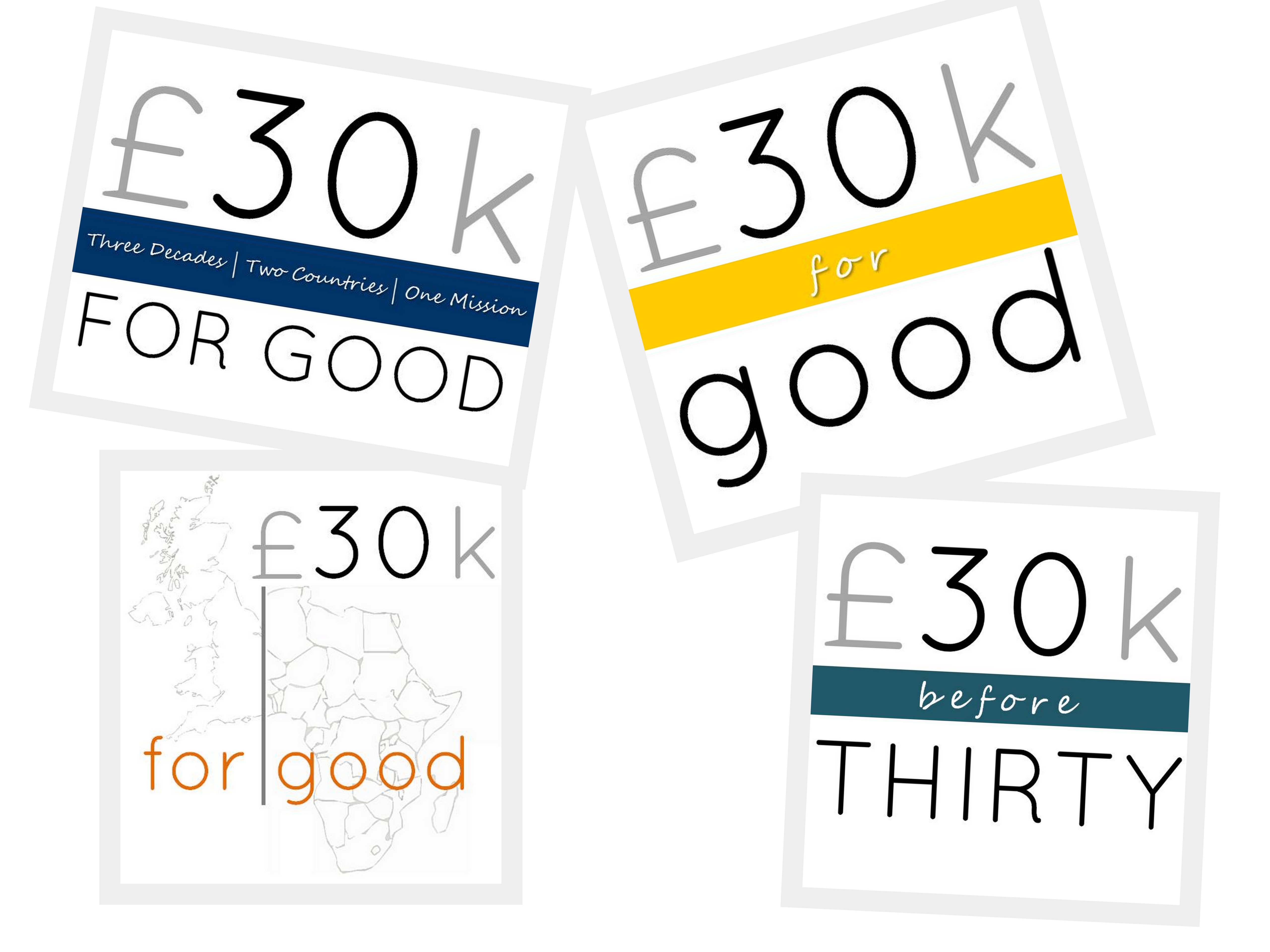
What do I need first? I need someone to build me a web page. So if that’s your skill set please get in touch. A friend has worked up a few design ideas (at the top of the page), which I’d be grateful for any feedback on before we settle on anything final.

What do I need next? I need a few people to help me organise, I’d quite like a little steering group to keep me motivated and provide input and wisdom so volunteers appreciated for that too.

Otherwise just let me know you’re interested by subscribing to the temporary page I’ve set up.
On being single

Kweku and Fi wedding cake detailWind wisps through the air, leaves shiver on their stems. People bustle past the forlorn store fronts hurrying to find their way to some indistinct place. Their speed suggests purposes, urgency, a thing to be done before any other. But they carry on, moving fast but arriving nowhere. A perpetual asymmetry of intent and achievement.

A perpetual asymmetry of intent and achievement.

A lot of movement but not a lot of action.

A lot of words but not enough openness. Frankness as shade to protect the fragile soul. Saying things we don’t mean to mask the heart. Leaving places too painful so we don’t have to wear our scars before those who know their cause.

The temptation to move on. The idea that some different place will be a better place. The hope that dreams might come true. The figment of our imagination we think might switch to reality if we loiter in its midst for long enough.

Continue reading

Syria: Prayer is not a weapon of last resort

Last night Threads hosted a gathering to discuss Syria and what we can do in response to it. It also involved a broken chair which I was unfairly characterised as having ‘brandished’, but the less about that the better.

The need acutely highlighted by articles such as ‘9 questions about Syria you were too embarrassed to ask‘. A meme spread a few weeks ago where you had to pin point on a map where Damascus is – I was relieved to only be about 80 miles out, apparently better that most other users.

That the situation is complex is a statement so obvious it borders on meaningless. Neither side are angels (are they ever?), the crimes committed are disputed, the efficacy of military action disputed.

Complexity can blind us. Imperfect options can ground us. Fear can stall us. Fatigue can make us turn away.

I put the case last night that while there is a just cause and a moral case for intervention, we should still not take military action. I made the case that without a good prospect of success, or a clear idea of what that success looks like, the moral weight behind military intervention would be scuppered. Continue reading

Doing a good turn as I turn 30

20130908-113009.jpg
I sort of announced this yesterday on twitter and facebook.

Six months yesterday I turn 30 and I’m not really one for parties. I usually have to be dragooned into doing something, conforming to social norms, that sort of thing. Maybe it’s because I don’t like drawing attention to myself. Maybe I feel self conscious, socially anxious, maybe I am just stubborn.

A few weeks ago I decided I should find some way to mark my birthday next March.

I’d been reading Miss 29’s blog as she sought 30 blind dates before she turned 30. And I remembered Ally Vesterfelt’s Love Runs challenge to raise $30 000 to build a classroom in Uganda for the same landmark. I was keen to step out of my comfort zone, but I knew which one of the two I’d rather do. So a crazy, ridiculous, insane fundraising drive it is. And with a currency exchange that makes it even harder.

And at about the same time a wave of issues relating to women, gender, and abuse hit the airwaves. Taking Elizabeth Fry off the £5 note raised the question of whether enough was being done to recognise the achievements of women, a petition started, protests launched, and the bank agreed to put Jane Austen on the £10 note when that’s next changed. Alongside this narrative of protest and achievement was a shadow story of insult, objectification and abuse that swept like a tsunami towards those leading the campaign. Most notably on twitter, the abuse levelled was horrific and questions were raised as to whether enough was done to respond to the vile and criminal threats made against many women. Continue reading

Does the lobbying bill really gag charities?

lobby

Sometimes I like to read bills that are before parliament just for fun. I also have to do it for work. I’m not expert, I’m not a lawyer, and I don’t always know what various clauses mean and what their impact will be. But give me some guidance notes, some advice and I can usually make a decent attempt at decoding the peculiar form of words used to craft law.

Except yesterday. It wasn’t the first time I tried to understand this particular piece of legislation, earlier in the summer I was alerted to concerns about the impact of the Transparency of lobbying, non-party campaigning and trade union administration bill so took a look – that’s far too long a title so I’ll stick to lobbying bill, but it’s also been tagged the gagging bill by some of its critics… more of that to come.

My analysis is not complete, it might be wrong, and part of the reason for writing this is to work out whether I’ve got it wrong and whether you can help.

This bill is a mess, there’s no getting around that, it tries to address concerns about the access of lobbyists, regulate campaigning by non-party groups, and reform rules on trade union membership. The first part is ineffectual, the second controversial, and the third clearly partisan. On lobbying, it will only cover a small number of lobbyists, and only cover their meetings with ministers and permanent secretaries. On trade union membership, some of the goals of what is being endeavoured are valid but in this bill at this time, before parliament yesterday as the Trade Unions Congress opens today? It seems like a very partisan move.

So onto the non-party campaigning. The hue and cry has come out over recent weeks reaching a crescendo yesterday that this bill will stop charities from speaking out against or in favour of policy positions, especially in the twelve months prior to an election. Once again, let me reiterate, I want advice as to whether I’m interpreting this correctly.

Political parties are regulated in the money they can spend campaigning for election. The Electoral Commission also cover the activities of other groups referred to as ‘third parties’. These are groups who are not political parties, but their activities and campaigning are considered to be seeking to influence a voter’s choice. The bill cuts the amount of money that can be spent before it can be declared, it widens the scope of what is covered – most notably to cover staff time, and is alleged to widen who is covered by these rules to those whose actions have the affect of influencing the outcome of an election, even if that was not its purpose.

I spent a lot of yesterday searching what in the bill does this, and I failed to find it, I repeatedly heard it cited as stopping charities, churches, campaign groups, political websites, think tanks, etc, from expressing political opinions in the run up to an election. Asked twitter for help and it let me down. The closest thing which backs up these fears, which if valid are very legitimate, is the legal opinion provided for the NCVO. The key issue is summarised on their blog as “The wording is quite technical but we’ve moved away from looking at whether campaigning activity‘ can reasonably be regarded’ as ‘election material’ to looking at whether activity can be deemed ‘for electoral purposes’ which may have ‘the purpose of or in connection with affecting the prospects of parties or candidates’.”

Clause 26(3) defines the meaning of election purposes, and is where this shift in description takes place. However, the legal opinion, which is worth a read if you’re a geek and want to know about charities and electoral law, comments in paragraph 51: “The real vice of the new definition is the lack of clarity, and the consequent lack of certainty as to when expenditure (of time and/or money) ought to have been included as ‘for electoral purposes’.”

The government swear blind they’re not changing the definition of a third party and it is not their intent to capture charities, voluntary organisations or faith groups in these criteria. What makes all this more complicated is that charities are regulated in regards to their actions around elections by both The Electoral Commission and the Charity Commission.

The bill may create sufficient confusion to create a chill and cause charities to limit their political campaigning, it might even at a push prevent them from doing so. But the bandwagon that’s started rolling and snowballed this week has not prevent it as this. It has suggested this is an attempt to gag charities, it has suggested it is an assault on free speech, and all with very little reference to what the bill actually says.

This bill might be targeted in its attack on Trade Unions, and disagree with that as you will, but charities are not the intended victim. And what, what if, the confusion around the impact on charities is being used as a shield to deflect attention from the Trade Union aspect of the bill, so a bill is criticised, mocked and opposed, but done so with a more sympathetic guise?

Andrew Lansley was in a conciliatory mood before the House of Commons yesterday, he pledged to listen to concerns, and was willing to make amendments or insert an additional clause to clarify the government’s intent.

Currently most charities and voluntary organisations are not registered as third parties. The law before parliament does not change who would be classed as this but The Electoral Commission have previously commented that many charities may well already fall under the definition of a third party.

I’m not defending the bill, it’s an absolute mess. But what if at its core is a kernel of a good idea. What if those engaged in campaigning on policy issues which favour one party or candidate should be regulated in their funding, what if stopping organisations becoming the equivalent of American Political Action Committees is a good idea?

And what if websites such as Labour List or Conservative Home should be regulated? Where does the line between a media organisation with a political viewpoint and an organisation campaigning for the success of a political party lie? What about think tanks whose policies are identikit to those of political parties? What about groups that are proxy for political parties waging war over the airwaves without the controls imposed on parties?

What if charities are too party political? I think charities should be political, I think churches should be political, I think they should campaign, I think they should protest against injustice. But there is a difference between being political and working for the advantage of a political party. Sometimes the actions of a charity, and the issues they focus on may be so closely aligned with those of a particular political party, as to contribute to its electoral success. And the charity might know that the electoral success of a certain party or politician is more likely to secure policy developments that it approves of.

How do you draw the line between when a political party takes up a policy promoted by a charity or voluntary organisation, and when an organisation’s policy aims are intentionally furthered by the victory or loss of certain candidates?

A lot is said about cleaning up politics and the influence of charities shouldn’t be exempt. When money is donated to parties to contribute to their success there is rightly careful scrutiny as to its origin and impact. I think it is reasonable that other organisations with political intent furthered by the success or failure of those political parties bear the same level of scrutiny.

This bill should be amended, reformed, and quite probably dropped. But just because organisations aren’t political parties doesn’t mean their political activity should not be regulated.

Is it the church or the media who’s obsessed with sex?

Justin Welby

Credit: Alex Moyler

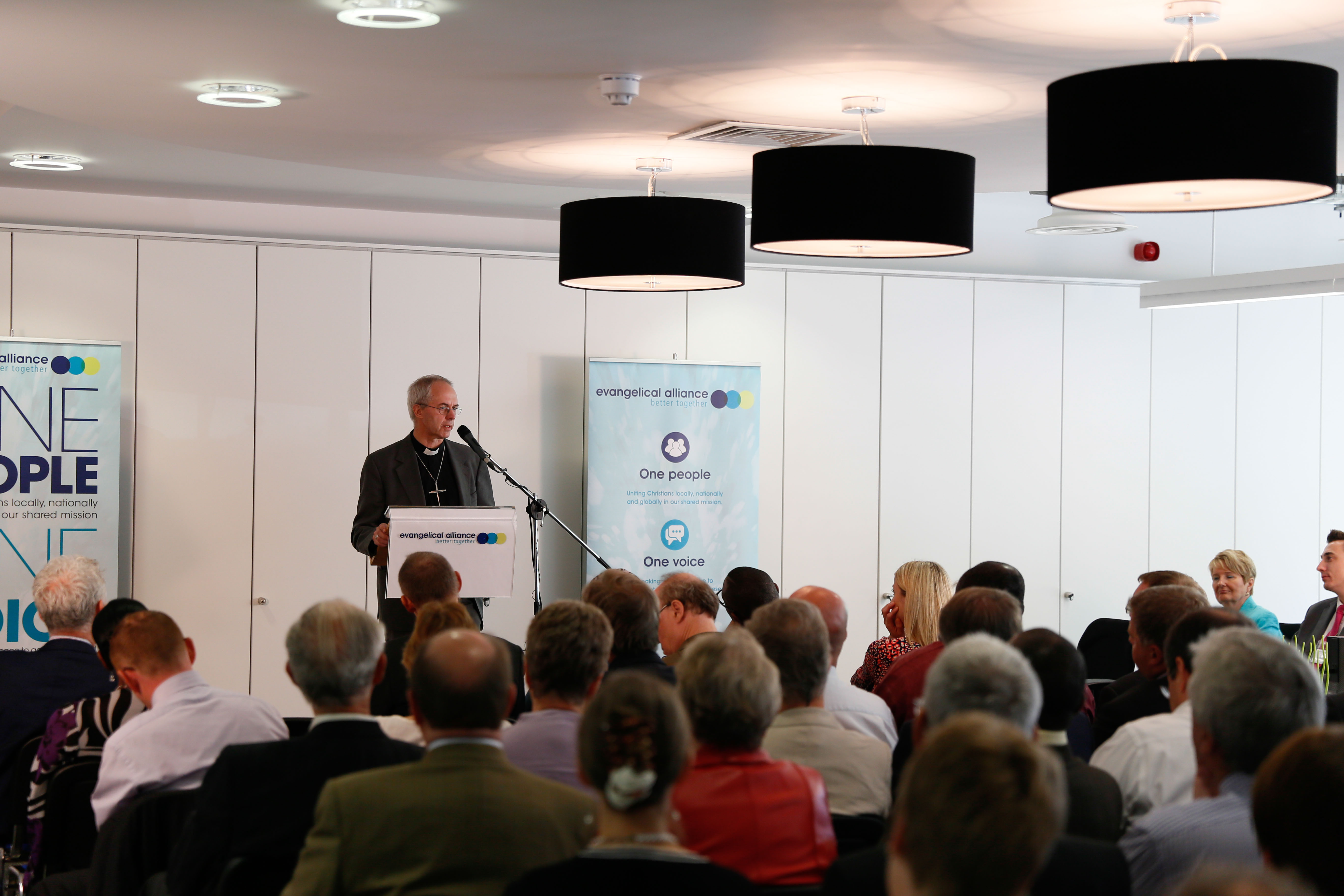
Yesterday the Archbishop of Canterbury came to work for the official opening of our new building. He spoke with wisdom and grace, he spoke of the need for unity in the church – especially poignant exactly 50 years on from when Martin Luther King declared he had a dream.

He challenged the church to begin with repentance, to recognise the scars that still hurt, and to follow Martin Luther King’s example and set a vision for what society should look like, and how the Church can bring that into being.

He spoke of the contribution churches bring to communities, the places they bring hope to communities in need. He spoke of the power of the gospel to transform people, and through transformed people change society.

If you see anything in the press about his visit, and a few papers have covered it, this is not the message you will have read. Continue reading

Am I Beautiful? A review

20130828-083734This isn’t a review of whether or not I am beautiful, although it’s a question I’ve asked myself more this week than ever before. I’ve found myself looking in the mirror, taking in my appearance, thinking about how I choose what to wear.

I’ve wondered what people think about my appearance, what assumptions they make based on what I am wearing, whether I have brushed my hair (in all likelihood probably not). On my weight and my height, on the shape of my face and the colour of my skin.

I was bouldering on Tuesday evening and at one point as I was watching one guy tackle a particularly feisty route I found myself remarking on his muscled form. It’s not the sort of thing I usually do. I would certainly hesitate from making comments like that about a girl, I’d phrase it differently, I’d focus on her abilities and not her attributes, I’d say she was a great climber.

Because beauty and appearance has become commodified and traded, it has been weakened and abused. Beauty has become the thing we cannot ever fully achieve and certainly not retain. Yet it is something, which in the US alone $5billion is spent trying to enhance, recreate, and manufacture. Beauty is not just assisted by products it has become a product. Continue reading

A church is more than timber and stone: on Egypt and not knowing what to think

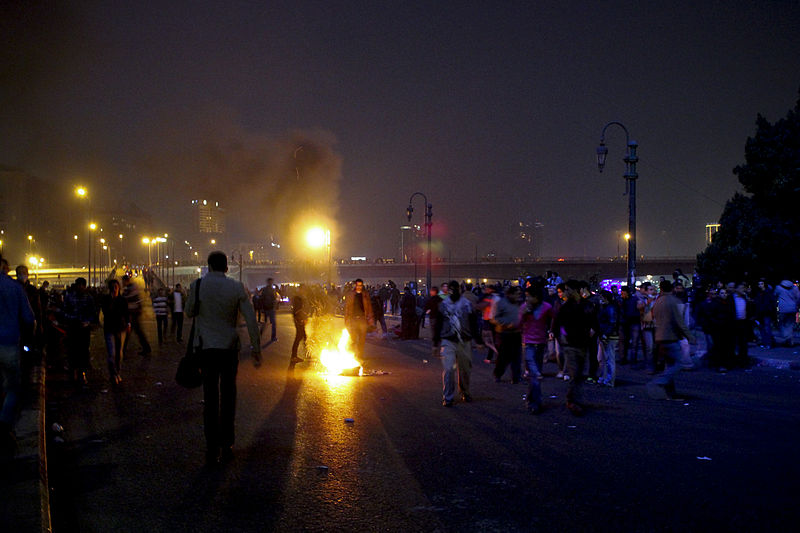
Protests_in_Egypt_January_2013When President Morsi was overthrown earlier in the summer I knew not what to think. Was this a good thing, a bad thing, or a complicated thing? I wanted to have it decided what I should think, which side I should support. I wanted flash card answers to geo-politics fused with religious tension spanning centuries.

I want the media to tell me what to think. I want the politicians to denounce the bad guys and support the good ones. I want the killing to stop.

When a first hand observer, complete with remnants of shot lodged in his wallet, cannot tell you who started it, and who is on the side of the angels. When confusion reigns, when hopes are extinguished, when lives are taken. I want the killing to stop.

When the US declares it’s cancelling it’s planned joint military exercises, but not its military aid (because that might further destabilise the region), I don’t know whose side they are on. Continue reading

Seven fears that stop me asking girls out

© April Killingsworth

Two years ago I wrote a post “why guys don’t ask girls out”. This is a different post, it’s what stops me from asking girls out. Not why guys don’t, but why I don’t.

It is simple to slip into the abstract when writing about relationships, find the generalisation, the concept; the easy way out. It is also tempting to use other people’s stories, to aggregate examples and form a trend that is straightforward to talk about and respond to.

If you look at most of what is written about relationships that’s how it works. What is the problem, and what is the solution? It’s the mentality of glossy magazines and trendy bloggers, and we look for solutions because we think that if we have a list of things to do to solve the problem that’s the same as having it sorted.

… we look for solutions because we think that if we …

The other day Emily Maynard tweeted that if she were to write a book it would be called “I Have No Idea How To Fix Your Life And It’s Weird That You’re Looking In Books For That.” Continue reading

Is the strength of the Christian faith its moral guidance?

399px-David_Cameron_-_World_Economic_Forum_Annual_Meeting_Davos_2010Over at the Heresy Corner blog Nelson Jones has a rather amusing take on David Cameron’s latest intervention into affairs of a religious nature. Parts of it are very funny, and parts are trying a bit too hard to make a political point.

The Prime Minister was asked “What would your response to Jesus be on his instruction to us to sell all our possessions and give the proceeds to the poor?”

To which he replied: well that’s a tough one.

Or more fully:

“Um, that’s, I’ve done lots of these Cameron Directs and I’ve never had that question before.

“I’m a Christian and I’m an active member of the Church of England and I think like all Christians I sometimes struggle with some of the sayings and some of the instructions and some of the parts of faith as I think all people, well most people of faith do.

“What I think is so good about Jesus’s teachings is there are lots of things he said that you can still apply very directly to daily life and to bringing up your children. You know, simple things like do to others as you would be done by, love your neighbour as yourself, the ten commandments, the Sermon on the Mount, to me they’re still pretty fresh and good instructions, so I find those a set of instructions I can grapple with but the particular one you mentioned I find that one a little bit more difficult.”

He is also said: “I’m not saying religion is like pick and mix, you just pick the bits you like. I’ve always felt the strength of the Christian faith is the basic core of moral guidance. You can find moral guidance from other sources but it’s not a bad handbook”

David Cameron in the space of a few words sums up the challenge for Christianity in contemporary society. The challenge is presented in how his words carefully encapsulate a couple of key points, and in how he then goes on to miss the far bigger point. Continue reading